About exhibition
“Identities Beyond Borders” is an exhibition project promoted by the Italian Ministry of Foreign Affairs and International Cooperation on the occasion of the twenty-fifth anniversary of the Farnesina Collection. This initiative offers a comprehensive and multilayered reflection on the notion of identity in a contemporary context marked by ecological crisis, migratory phenomena, geopolitical instability, and deep cultural fractures.
Conceived as a traveling project in three stages — Berlin, Vilnius, and Valletta — and realized in collaboration with the Italian Cultural Institutes, the project has over time transcended its initial boundaries, thanks to the strength of the themes it addresses as well as the significant international interest it has generated.
Belgrade represents the first stop of this expanded version: in collaboration with DOTS Gallery, the project enters into dialogue with a context deeply shaped by historical transformations, the redefinition of borders, and processes of reconstruction. The city thus becomes a cultural laboratory for exploring the relationship between past and present, as well as for examining how individual and collective identities are formed through constant crossings. An intergenerational dialogue among artists gives rise to new forms of symbolic resistance, imagination, and the reinterpretation of history.
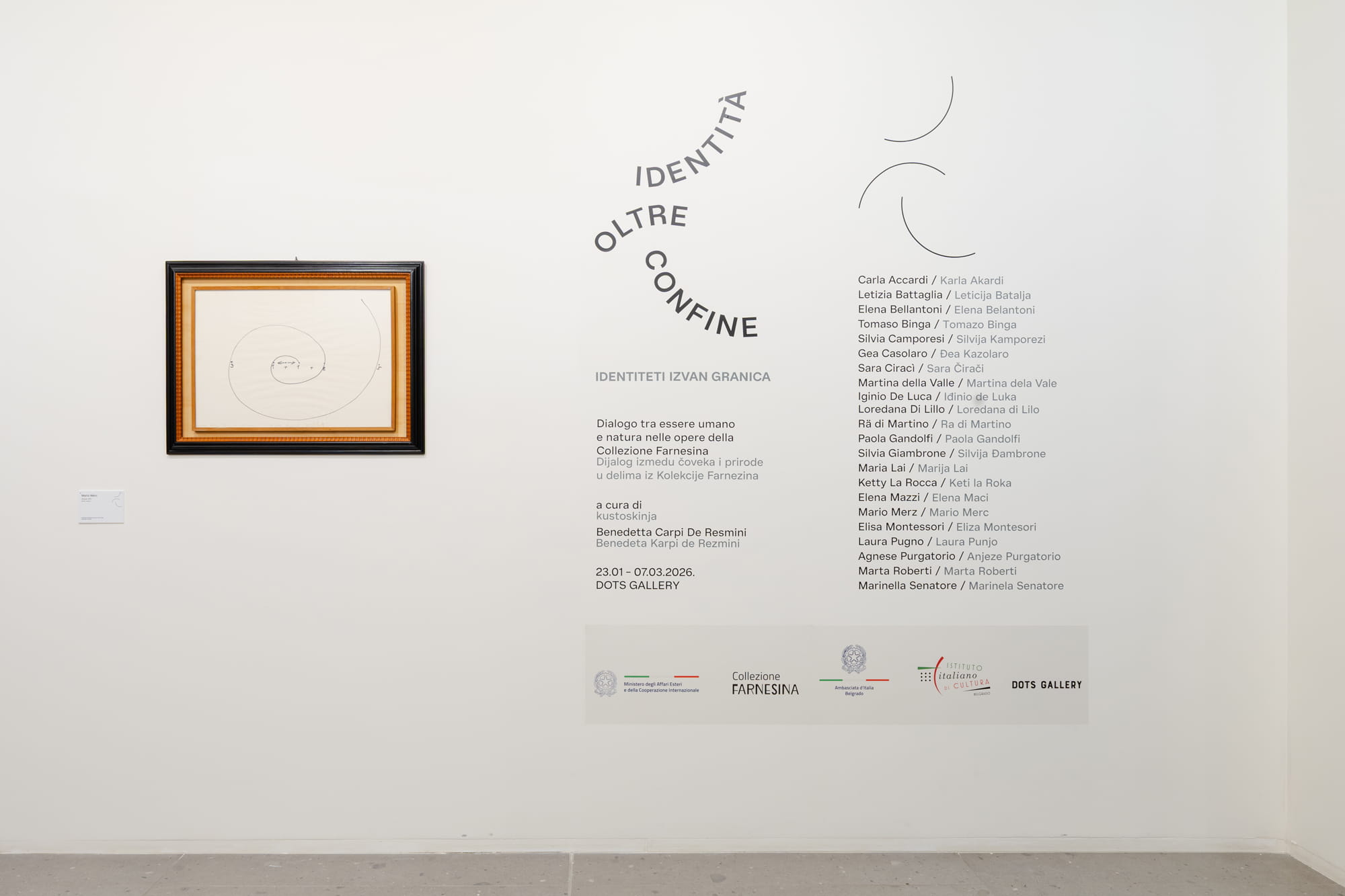
Mario Merz’s work "Fibonacci" opens the journey through the exhibition with the power of a utopian image that transcends national boundaries: the numerical spiral becomes a metaphor for organic, non-hierarchical knowledge that spreads through connections and branching. Around this core, three thematic sections unfold — "Roots of Resistance", "Unstable Ecologies", and "Geographies of Alienation" — which confront the tensions of contemporary society from radical and multiple perspectives.
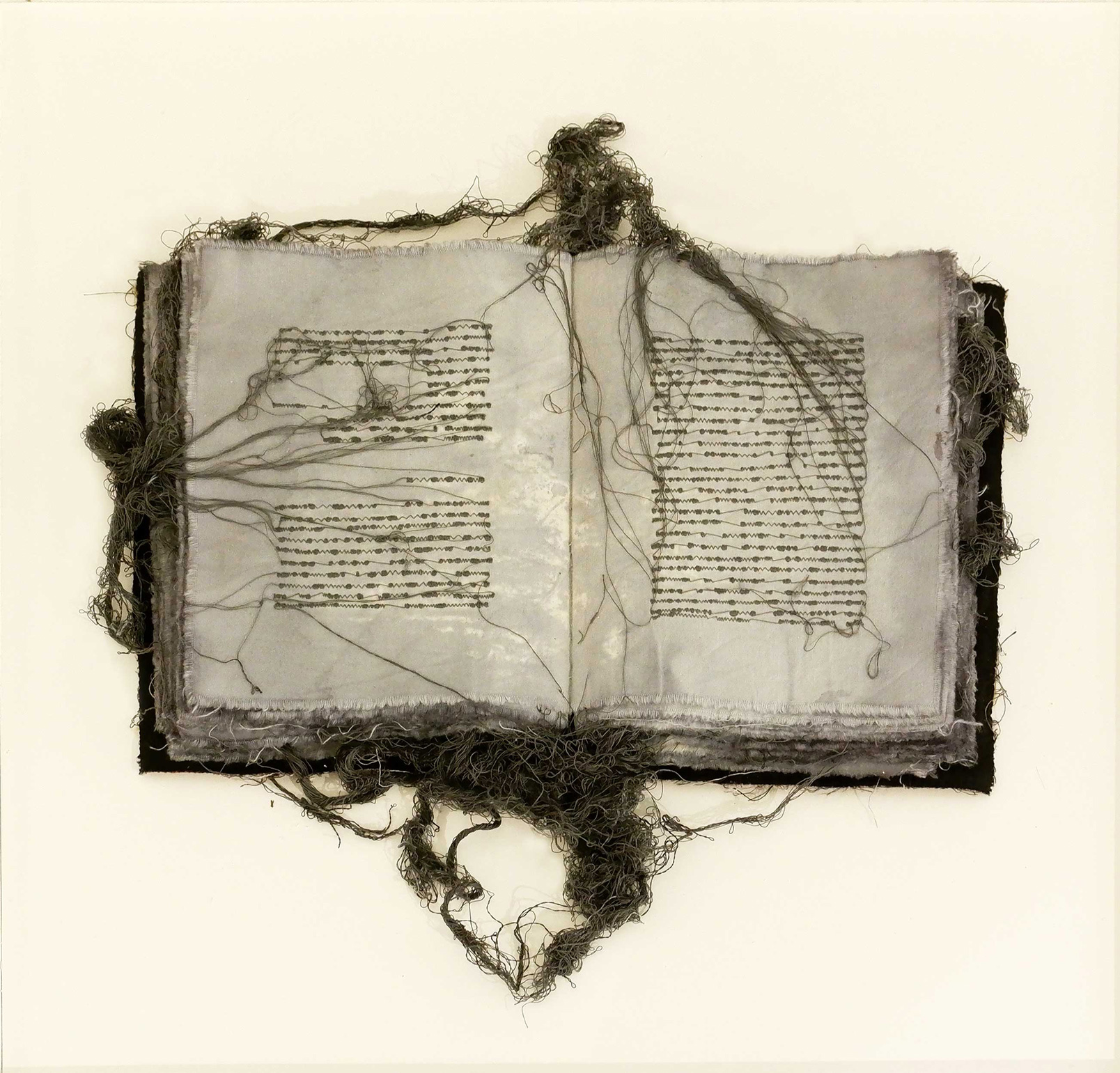
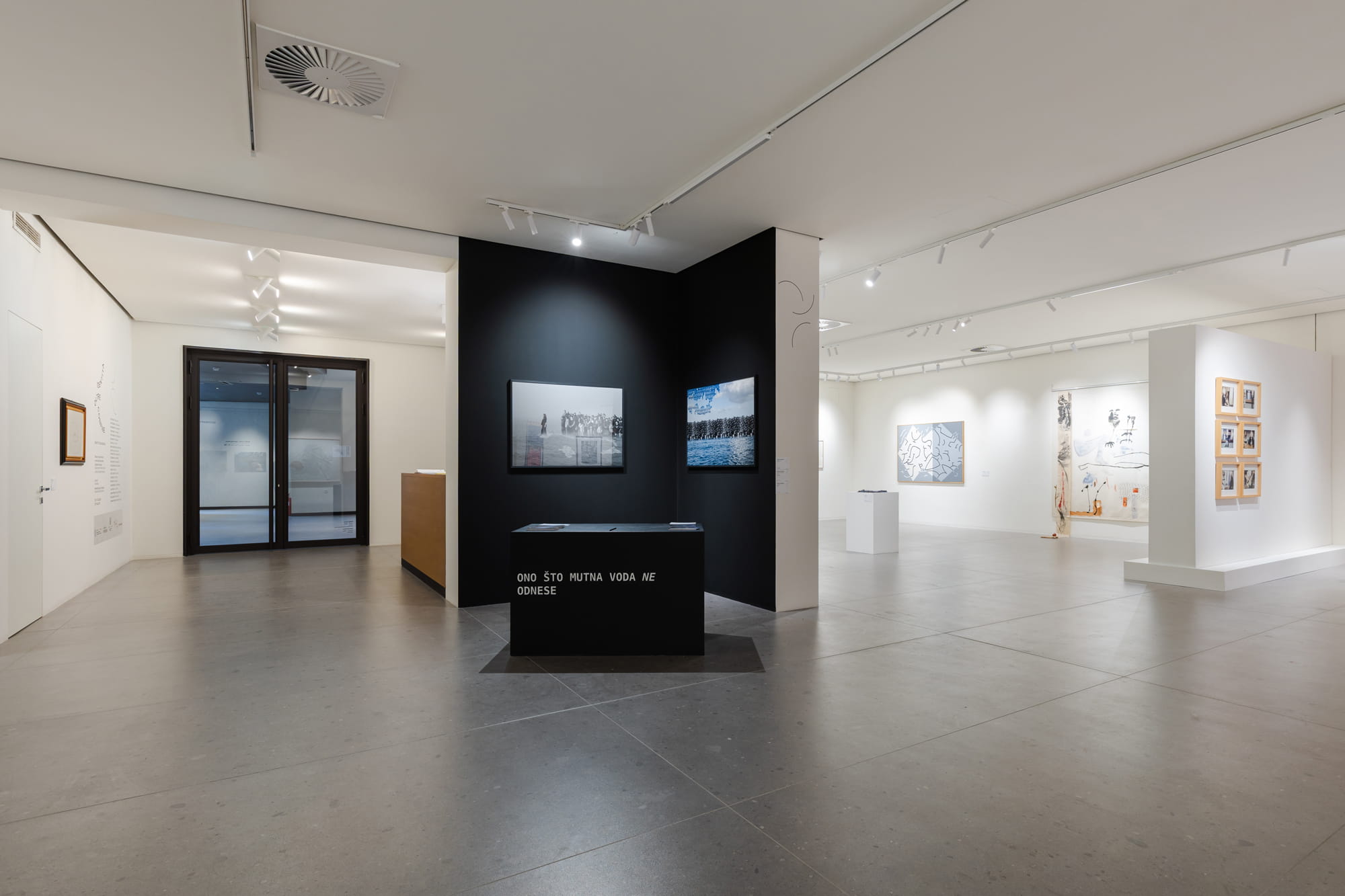
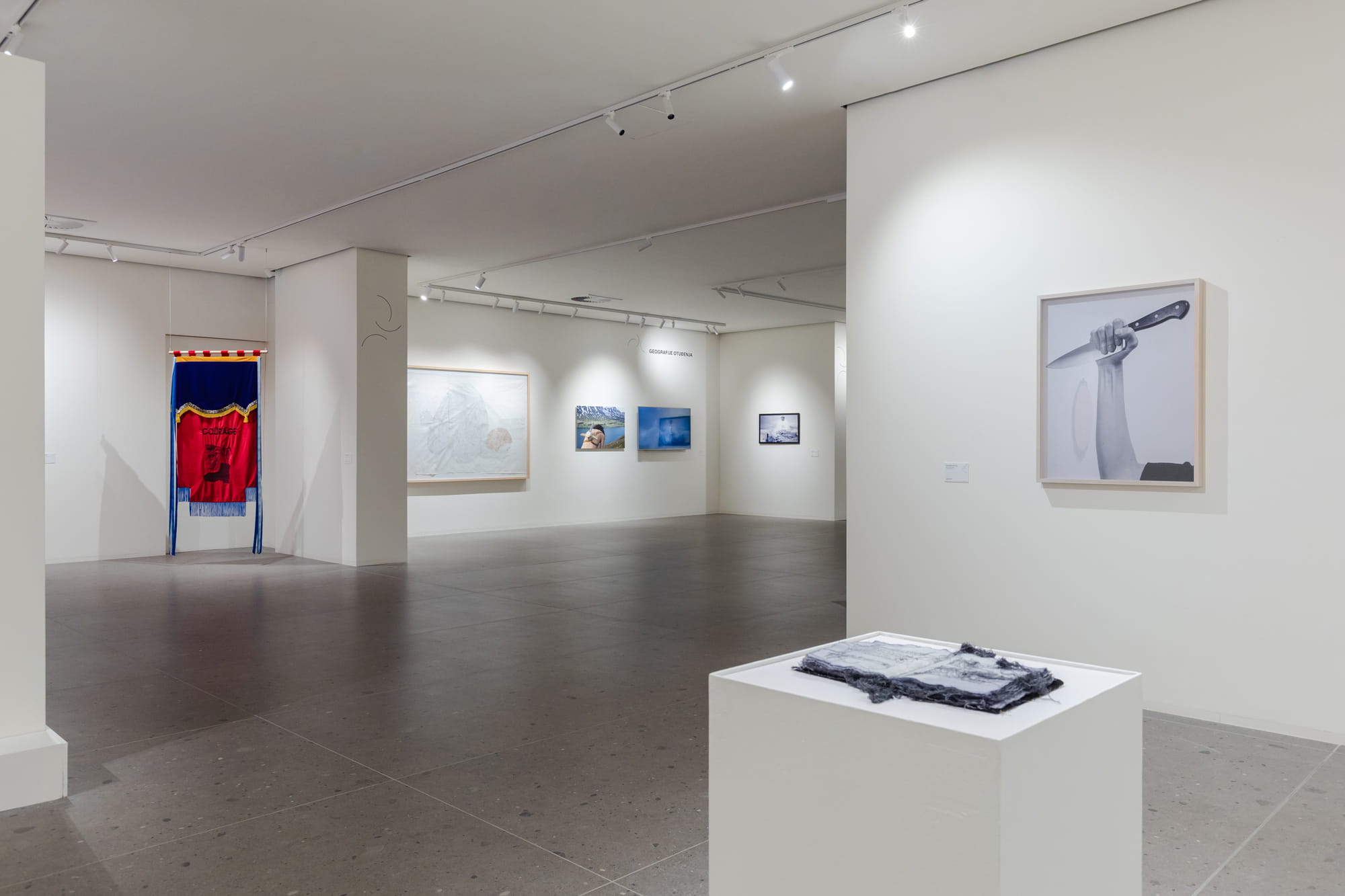
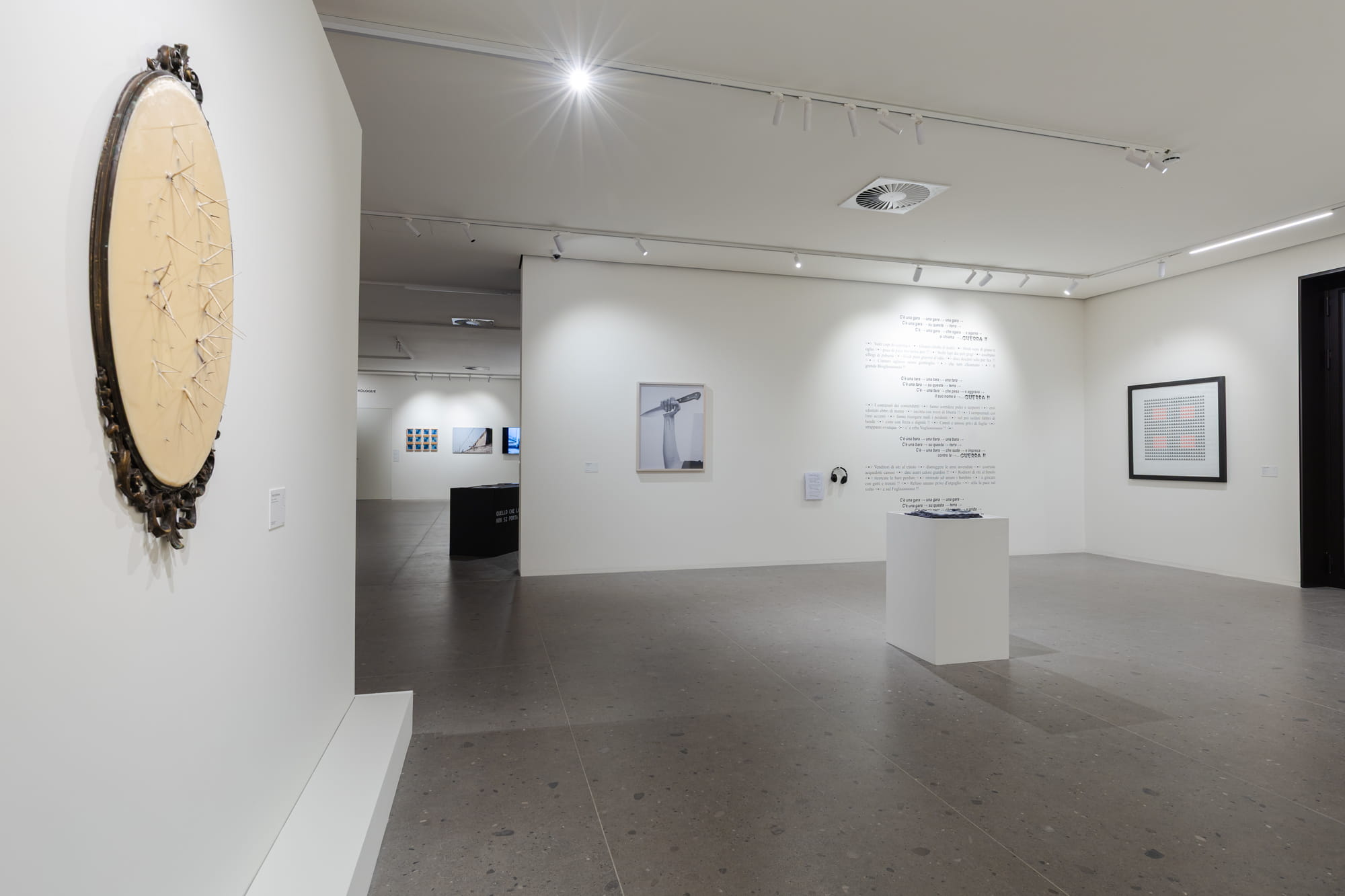
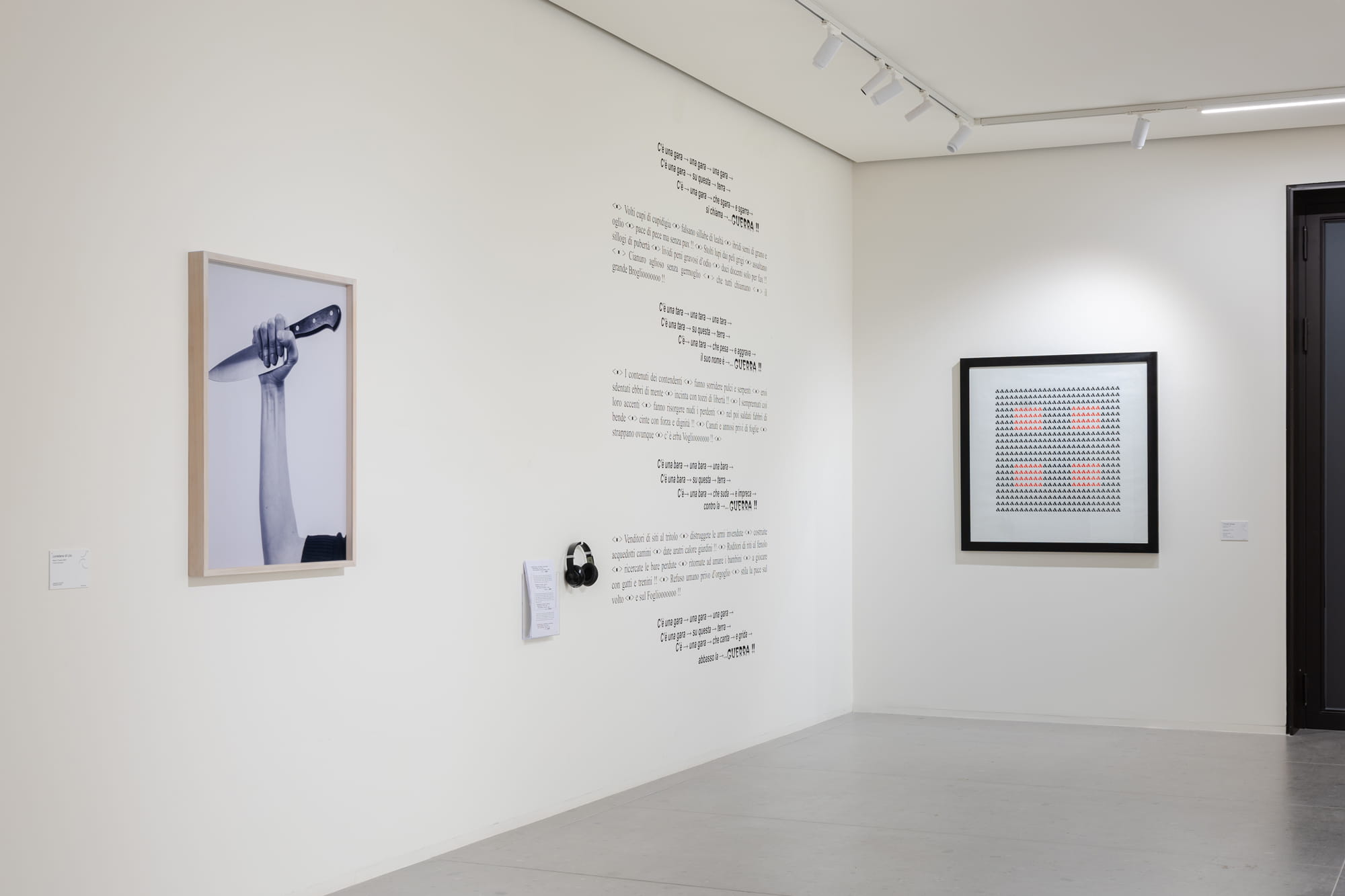
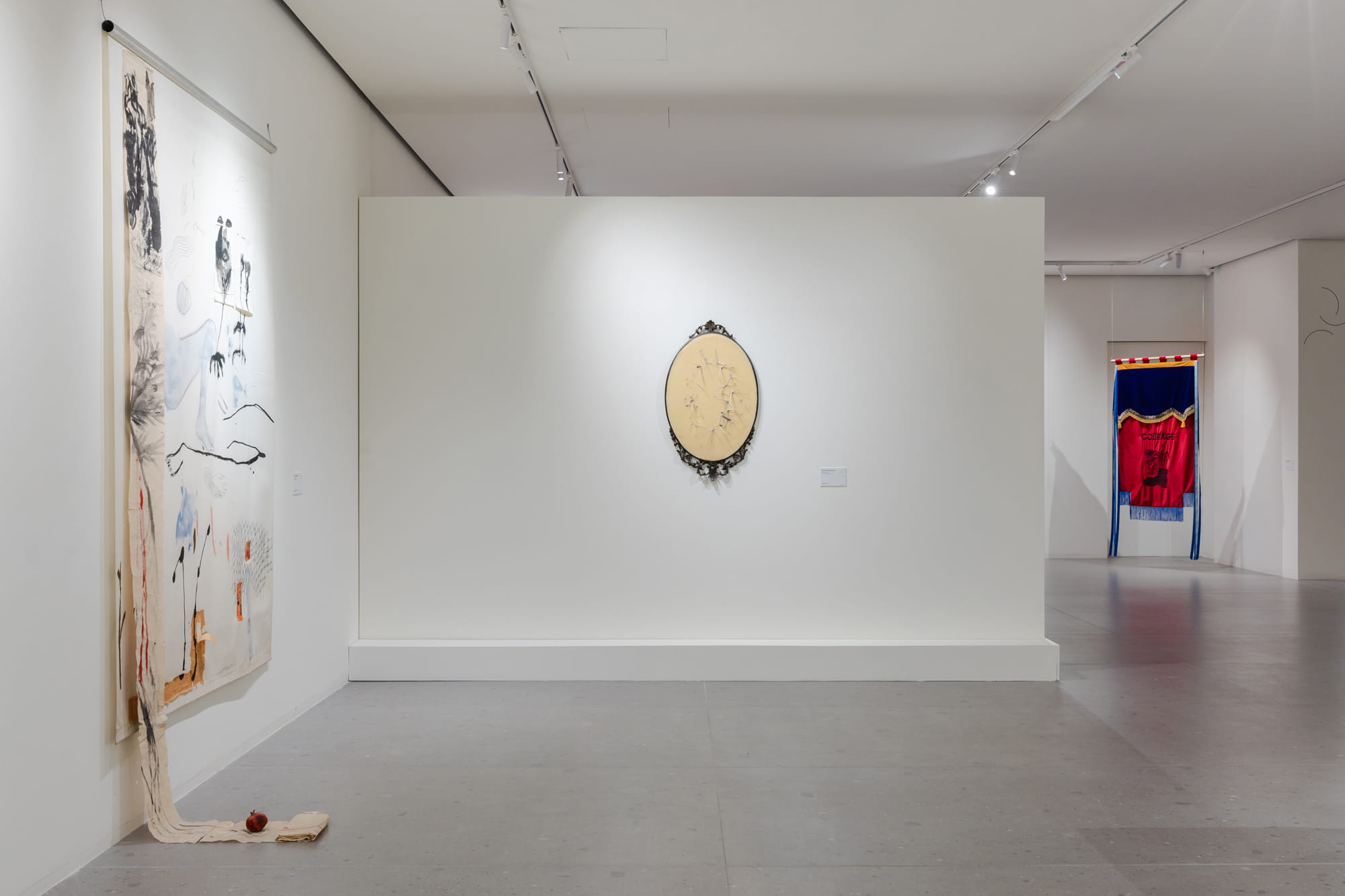
In the conceptual section "Roots of Resistance", the body and language become instruments of emancipation. Works by Tomaso Binga, Carla Accardi, Ketty La Rocca, Maria Lai, and Elisa Montessori — key figures of the Italian feminist avant-garde — enter into dialogue with works by Elena Bellantoni, Silvia Giambrone, Marinella Senatore, and Loredana Di Lillo. The result of these encounters is a network of critical genealogies, in which subversion is not memory but a living practice: actions that dismantle, rewrite, and perform new scripts of disobedience.
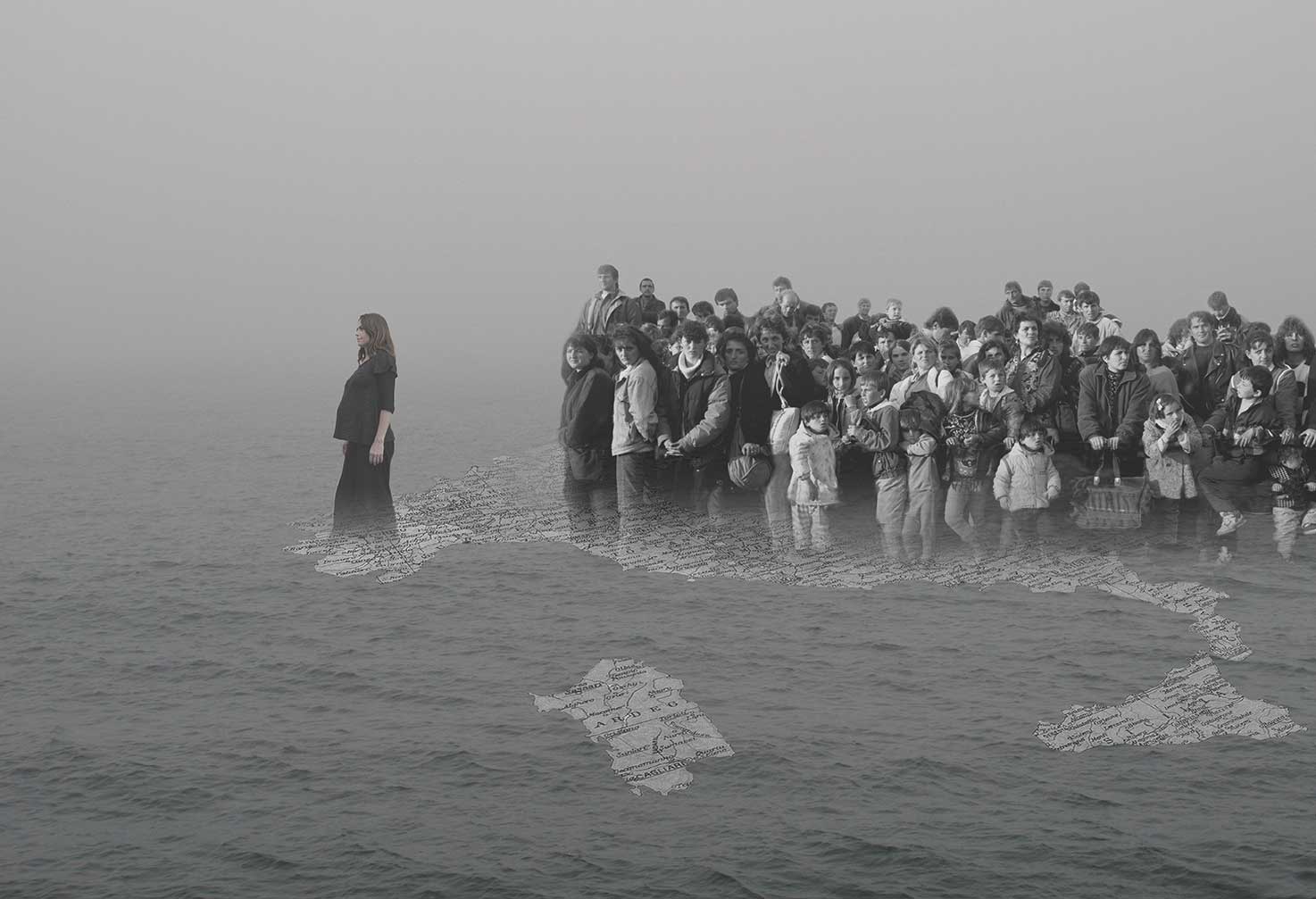
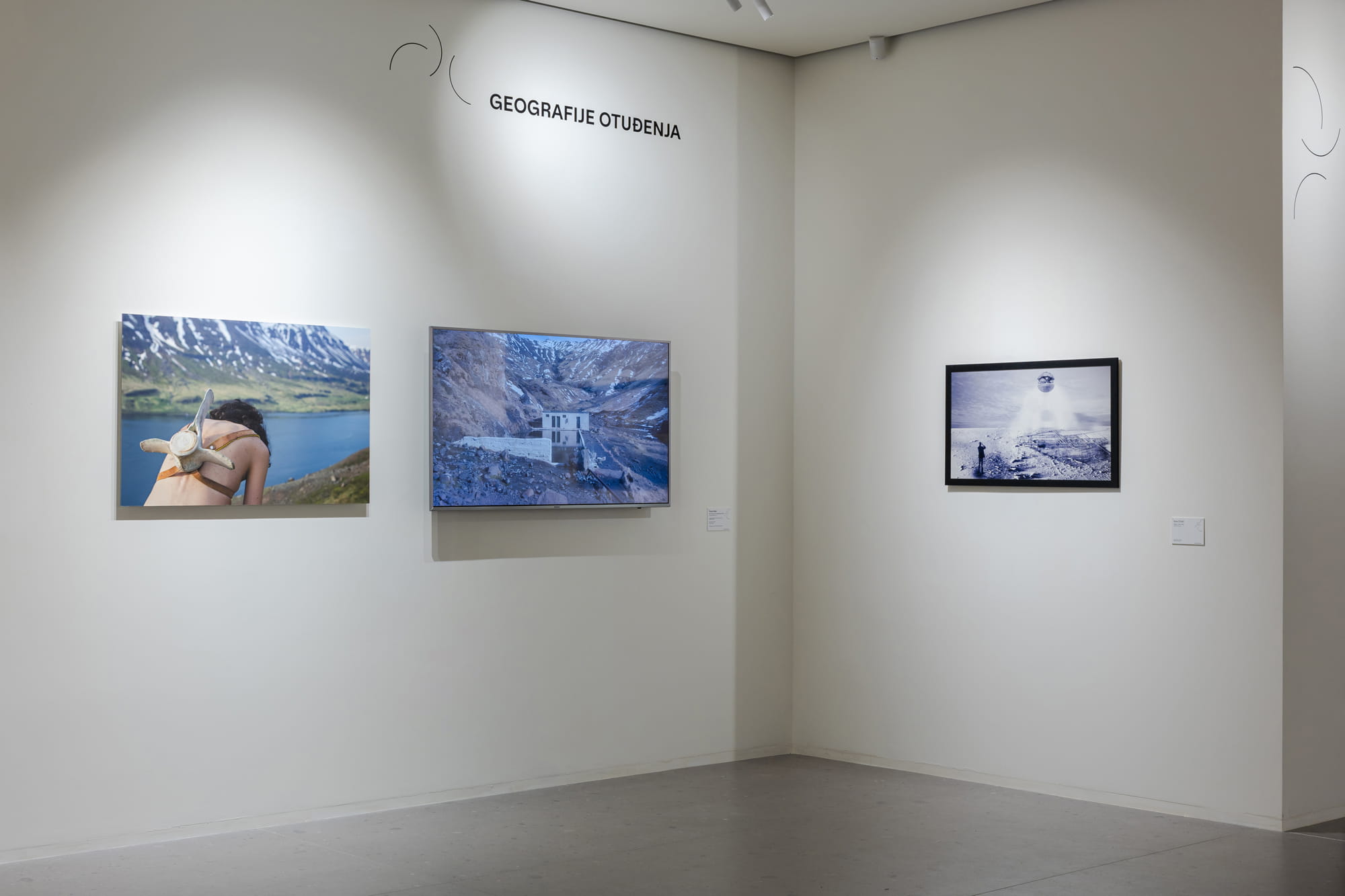
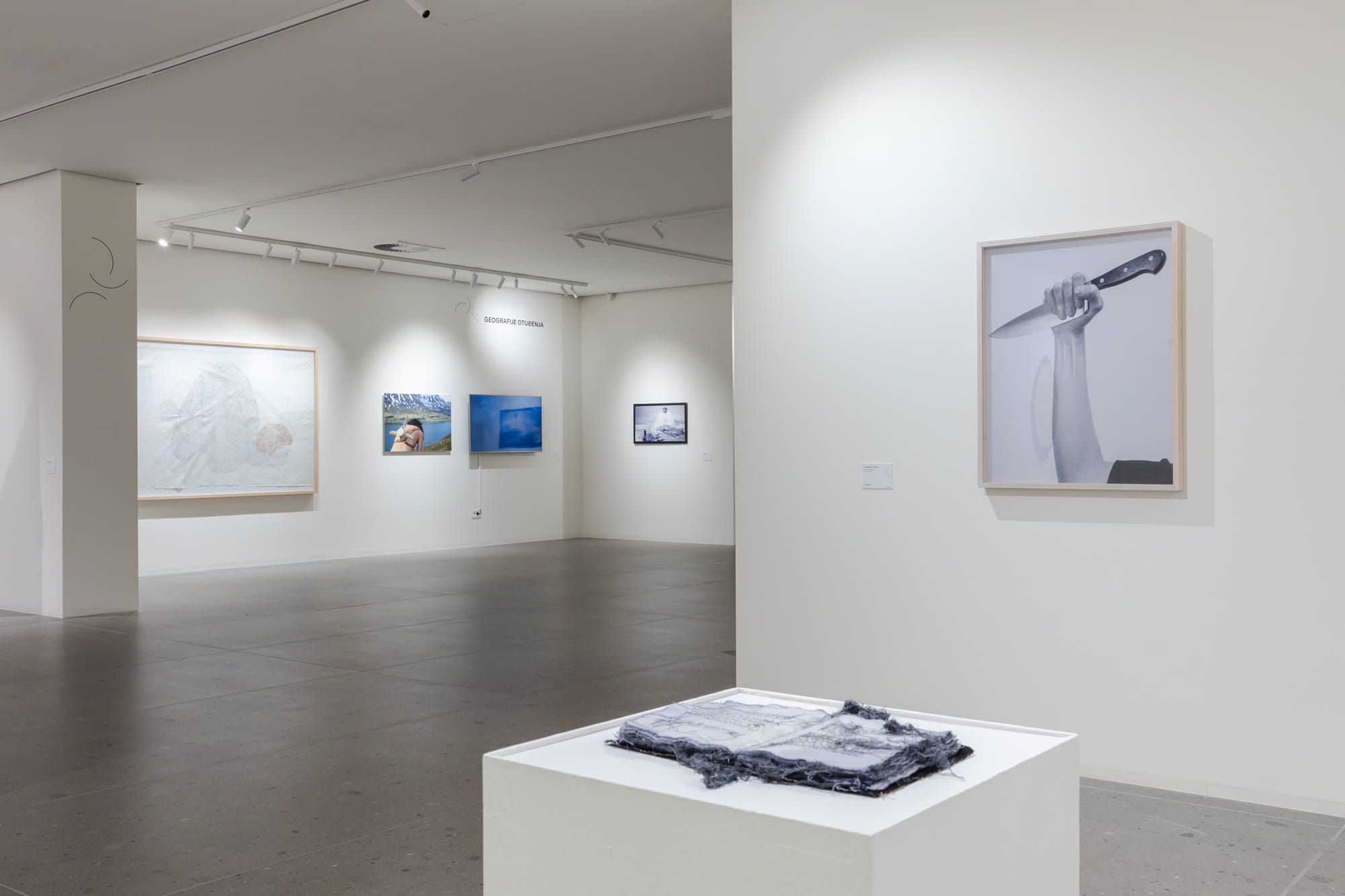
The section "Geographies of Alienation" addresses rupture as an experience. Works by Gea Casolaro, Agnese Purgatorio, and Sara Ciracì draw a map of wounds — urban, social, and emotional. By contrast, the works of Ra di Martino, Marta Roberti, and Paola Gandolfi introduce figures that exist between the human and the non-human: body-machines or liminal presences that question identity, conceiving it as a fluid, migratory condition in constant transformation.
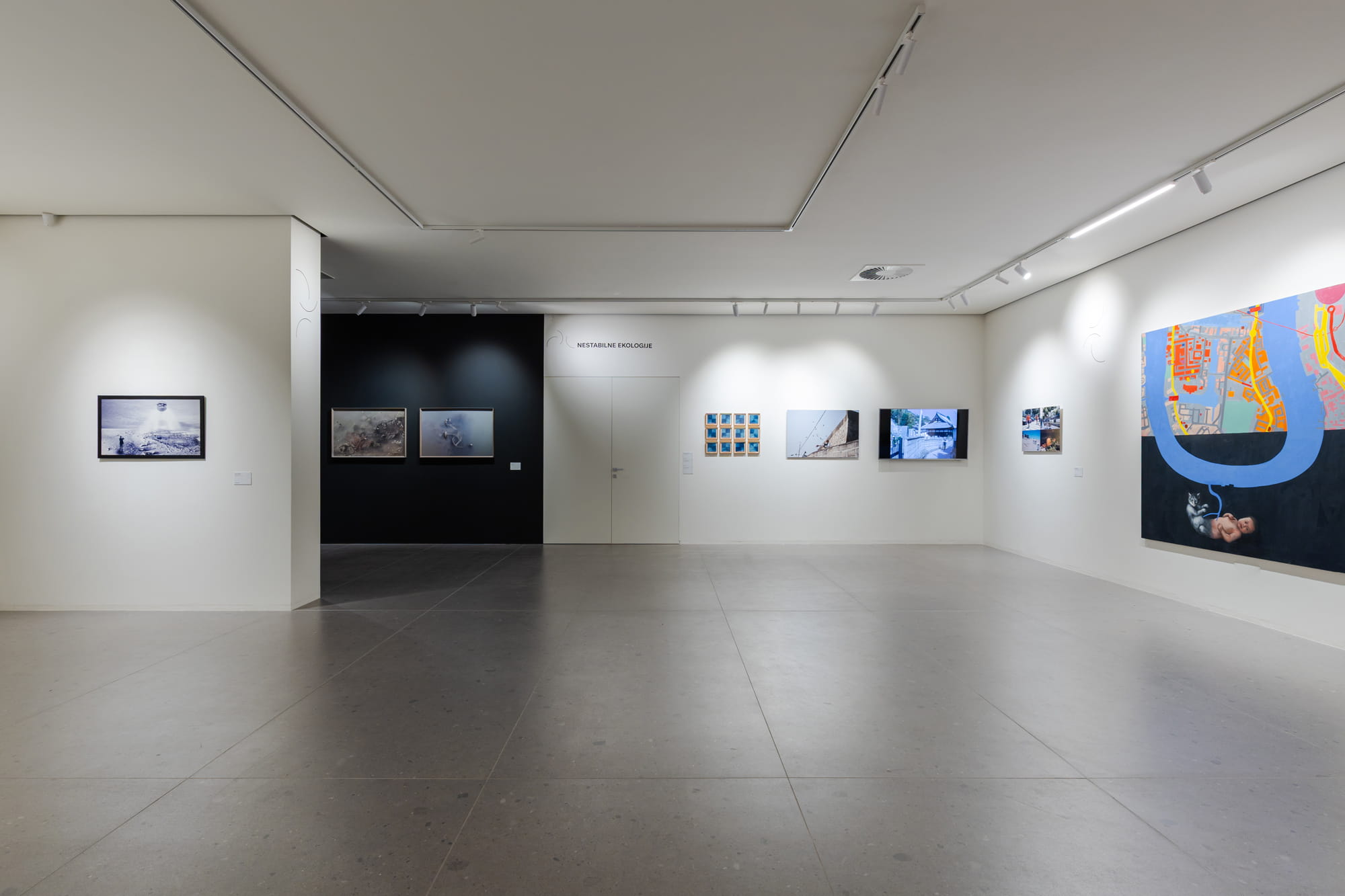
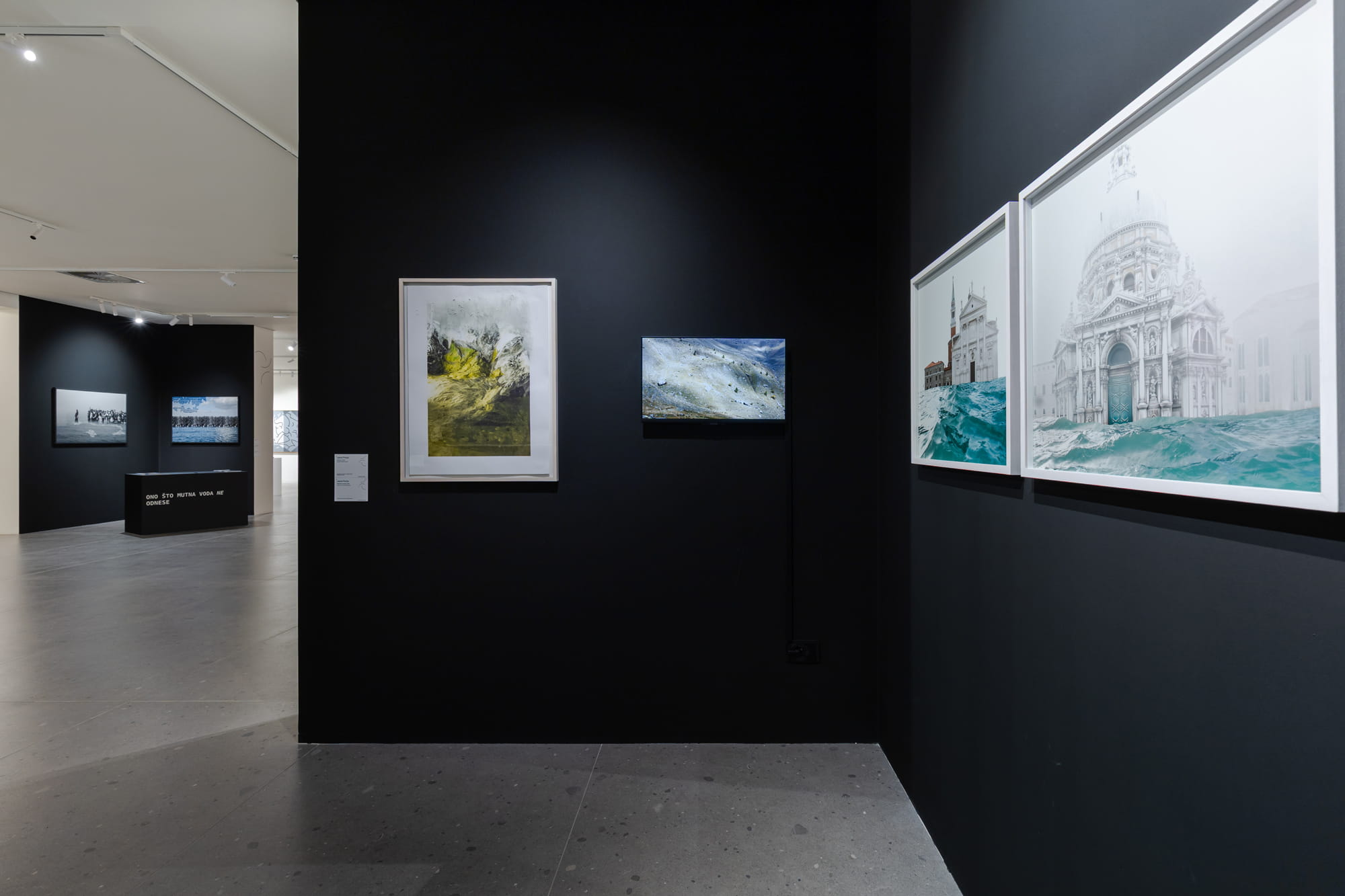
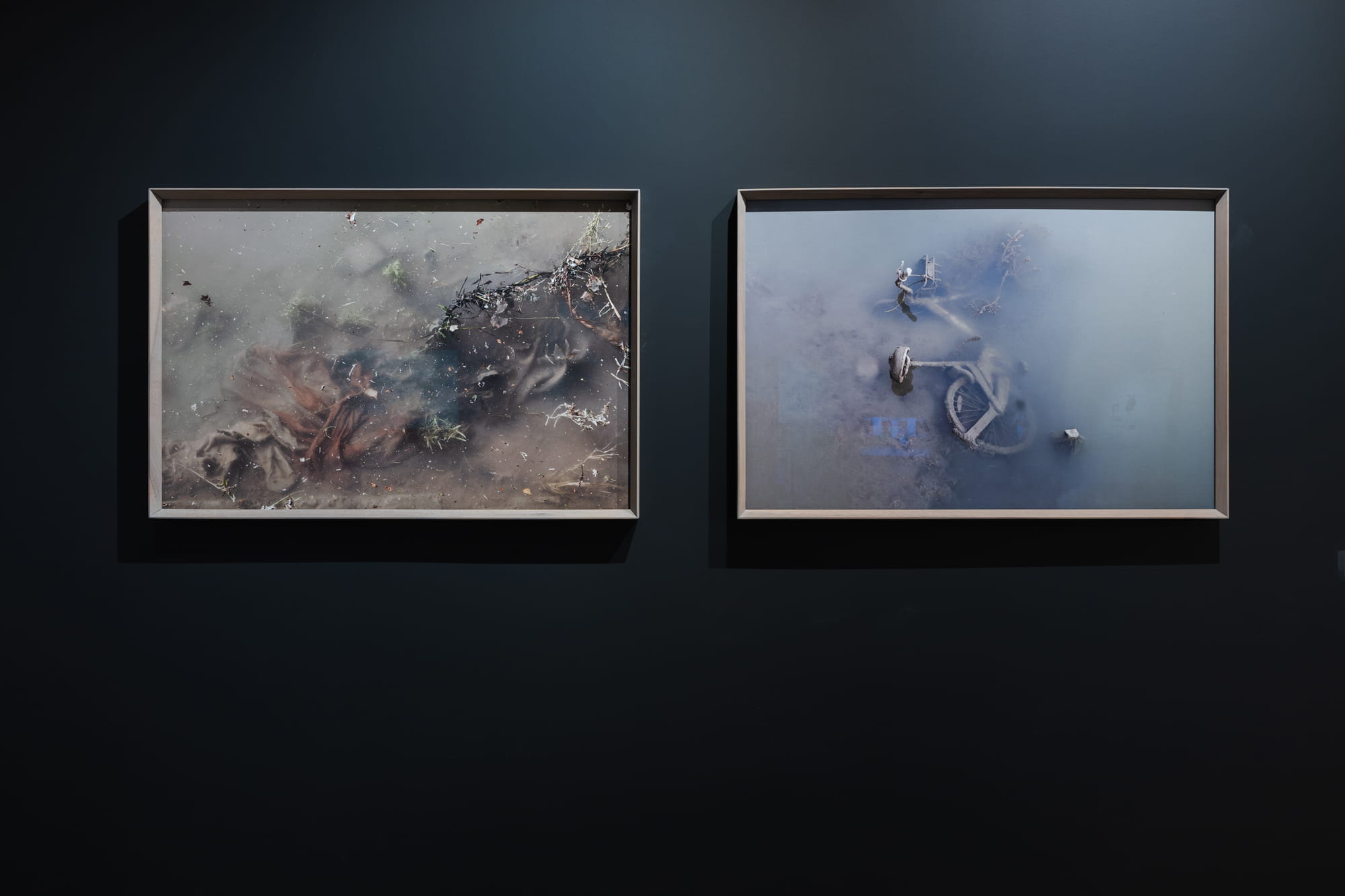
In the section "Unstable Ecologies", the landscape is not perceived as a mere backdrop but as a vulnerable organism — an injured ecosystem in the process of transformation. Letizia Battaglia, Silvia Camporesi, Martina Della Valle, Elena Mazzi, and Laura Pugno approach nature as a space of crisis but also of possible regeneration, inviting reflection on the responsibility of the gaze and on the necessity of imagining new forms of coexistence. In this section, a work by Igino De Luca, recently included in the Farnesina Collection, is presented for the first time.
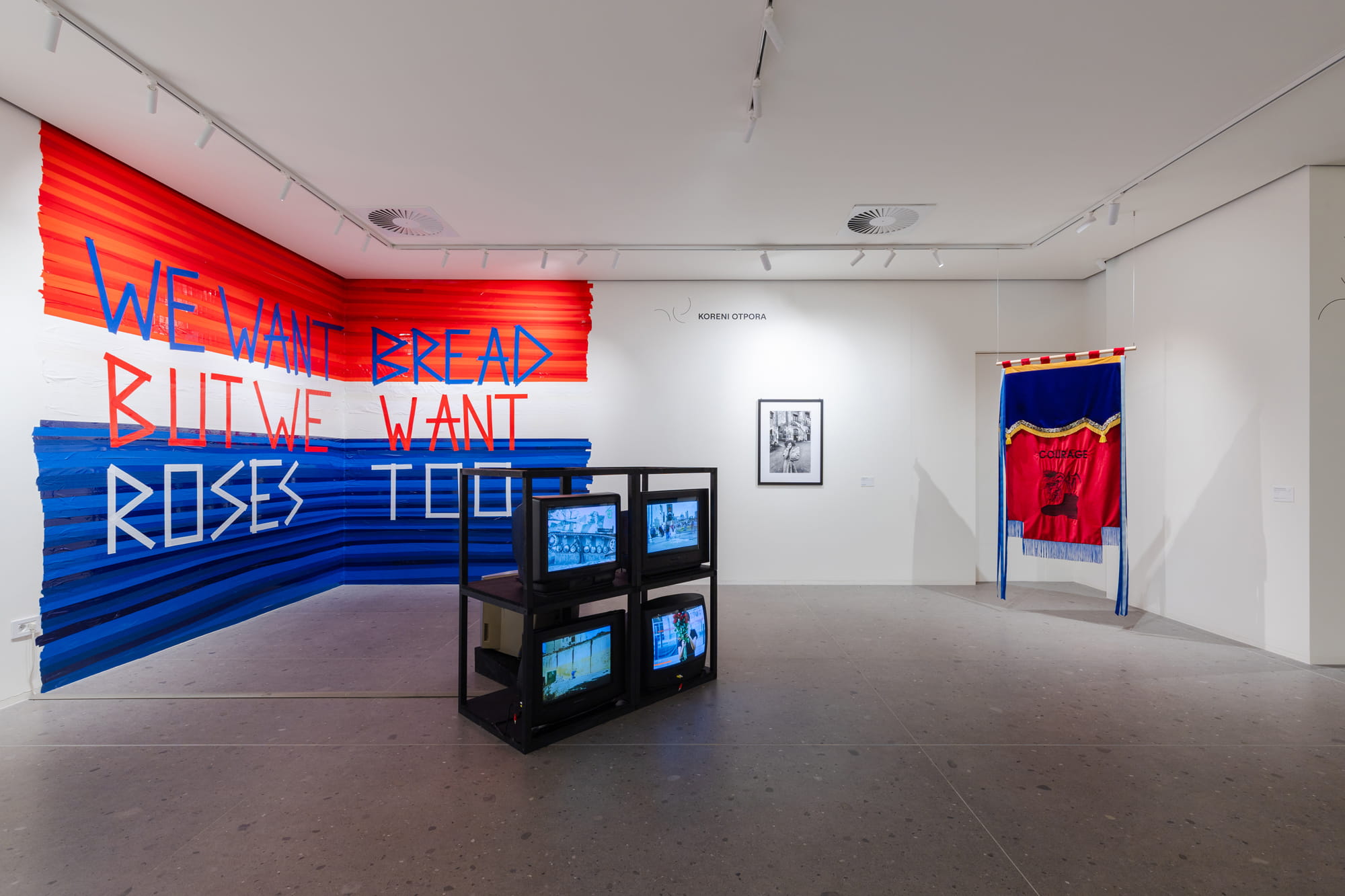
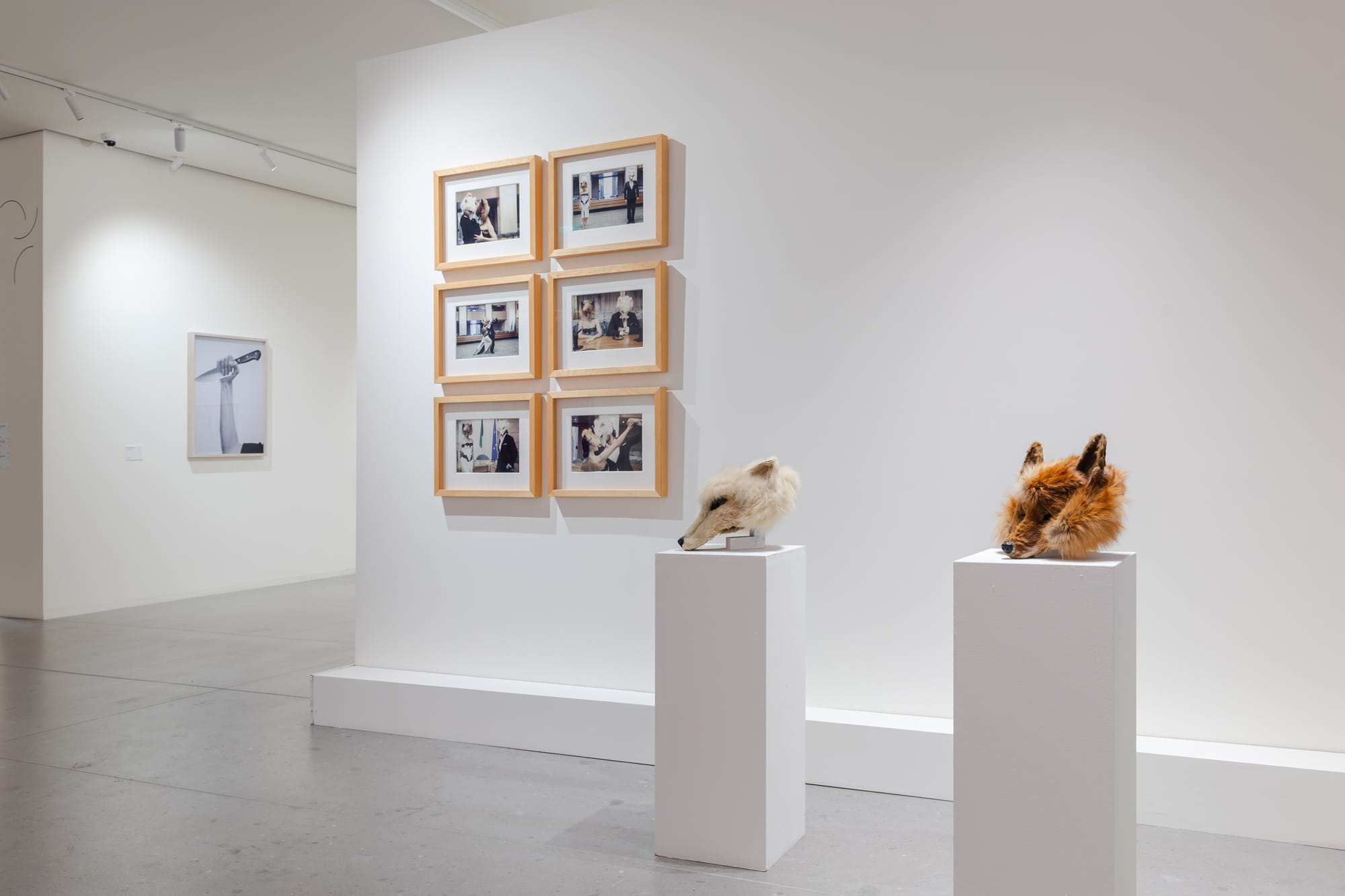
For the Belgrade exhibition, three artists will present site-specific interventions. Alongside the original masks used in her video work "The Fox and The Wolf: Struggle for Power" (Farnesina Collection), Elena Bellantoni will also exhibit a selection of video works from 2019 as part of the project "On the Breadline", created in Belgrade, Istanbul, Athens, and Palermo. Displayed on old cathode-ray-tube monitors, the videos form a unique sculptural body in which the moving image becomes matter and physical presence. From one monitor — set apart from the others and showing the video "Blue White Red" — streams of colored bands extend, recalling the colors of the Serbian flag. In this intervention, the body becomes a political and symbolic space, nourished by the tension between the myth of the strong leader and the complexity of historical and social reality.
This is followed by Tomaso Binga’s poem "It Is Called War" (2003), presented as an installation with accompanying sound, which intertwines body, language, and politics and emerges as an act of poetic resistance. In a country that has experienced occupations, divisions, and rebirths, Binga’s voice resonates as a call to rediscover vulnerability as a generative force and a key condition for new forms of coexistence and taking root.
Building on the works from the collection, Agnese Purgatorio, with her piece "Perhaps you can write to me" — whose title is inspired by the poetic universe of Emily Dickinson — creates an installation centered on a large mailbox, a kind of device for relationships and waiting. On its surfaces, a series of postcards featuring motifs of water, the Danube, and the Drina is displayed, intersected by two poetic sentences in different formal registers, handwritten by the artist herself.
The exhibition is realized in collaboration with the Italian Cultural Institute in Belgrade and with the support of the Embassy of Italy in Belgrade. The exhibition will run until March 7.