About exhibition
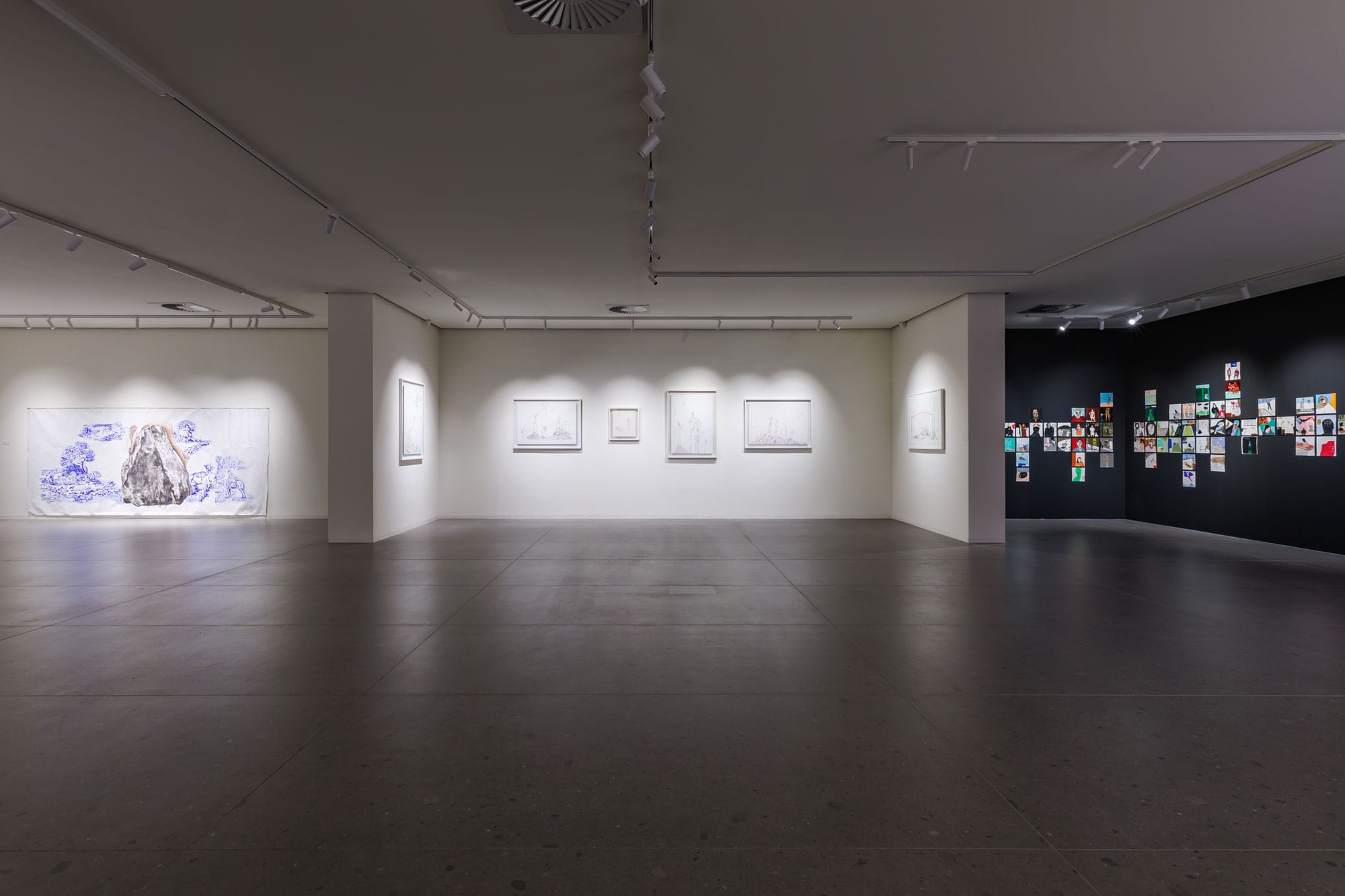
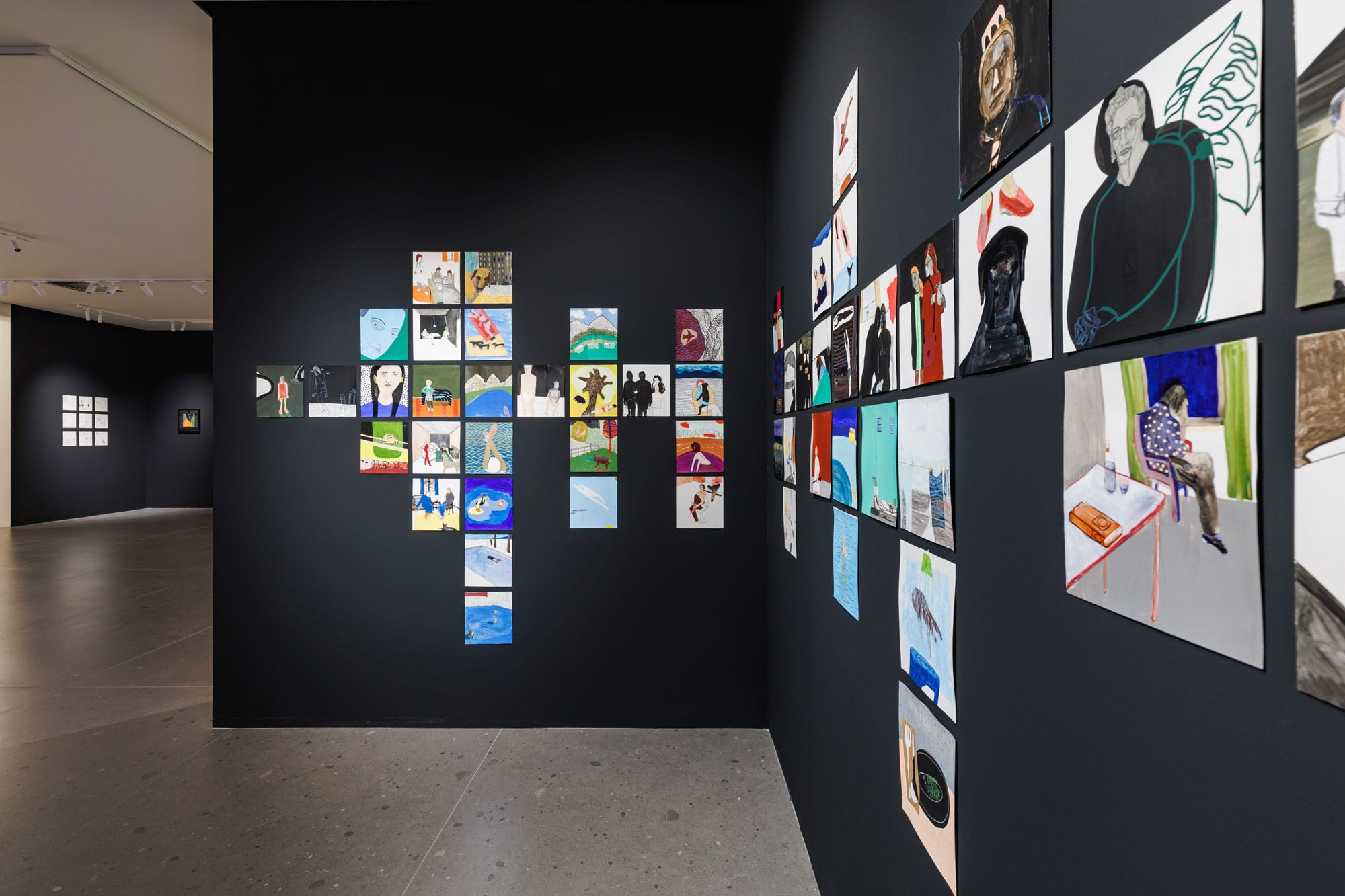
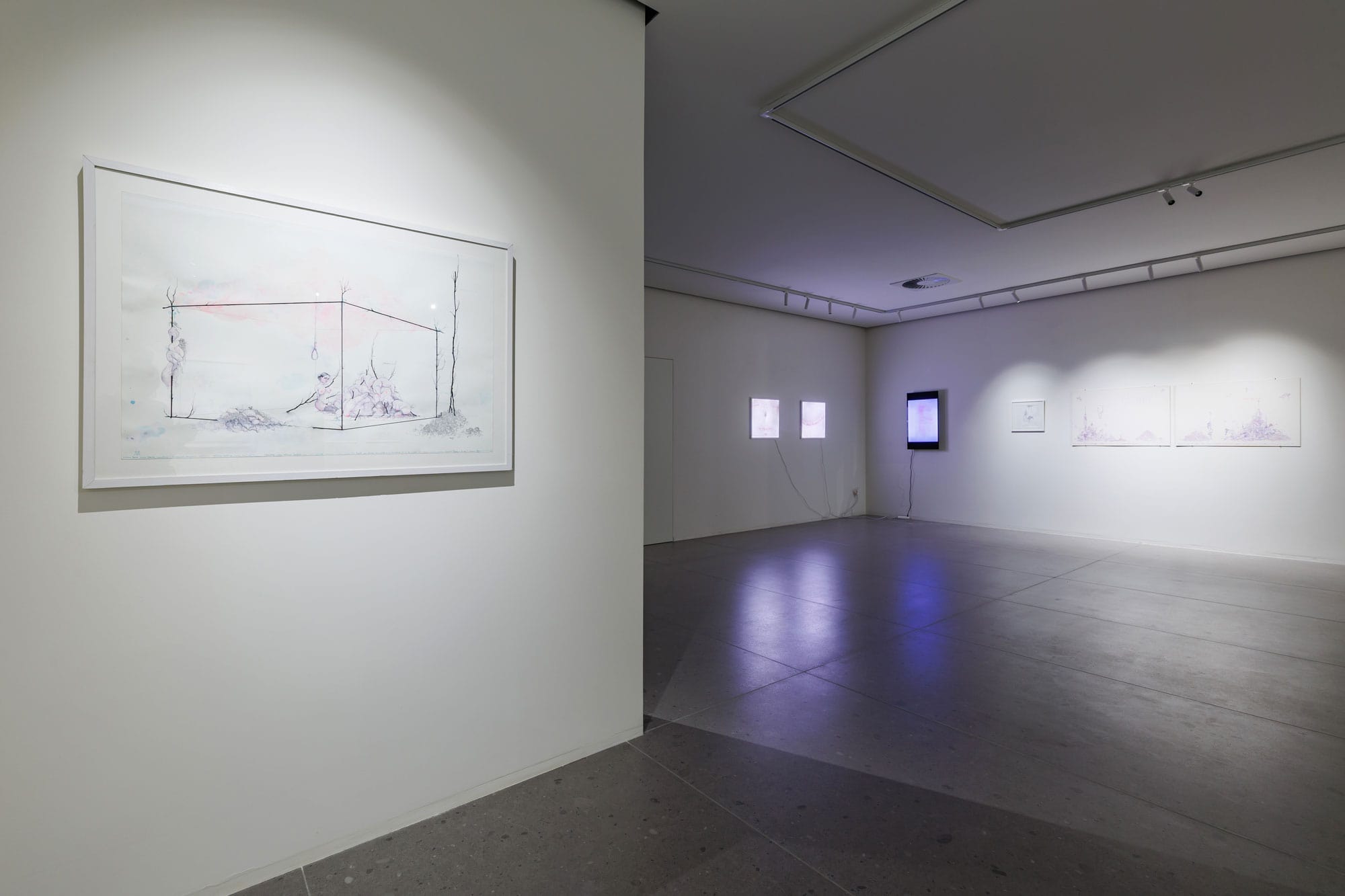
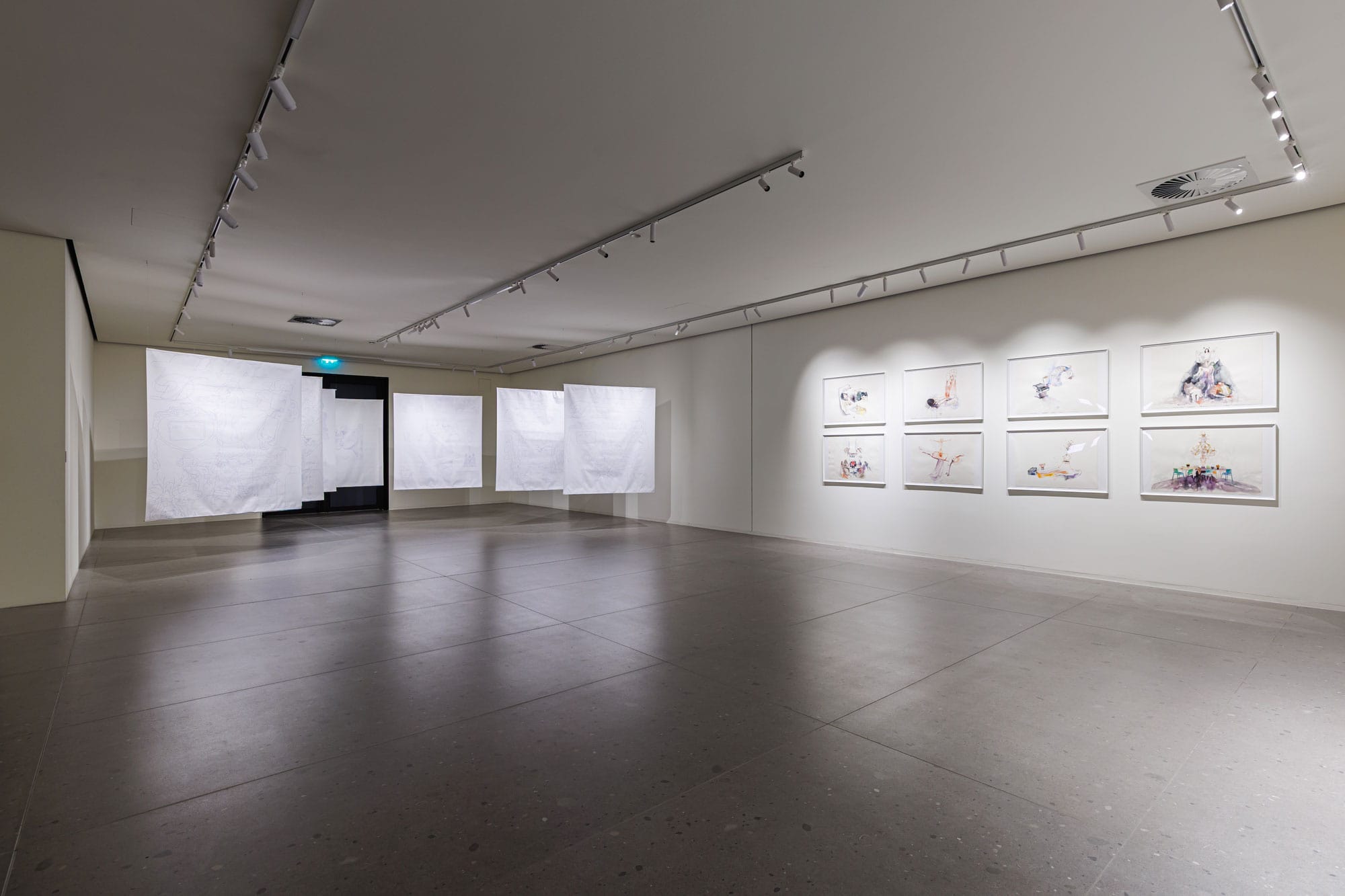
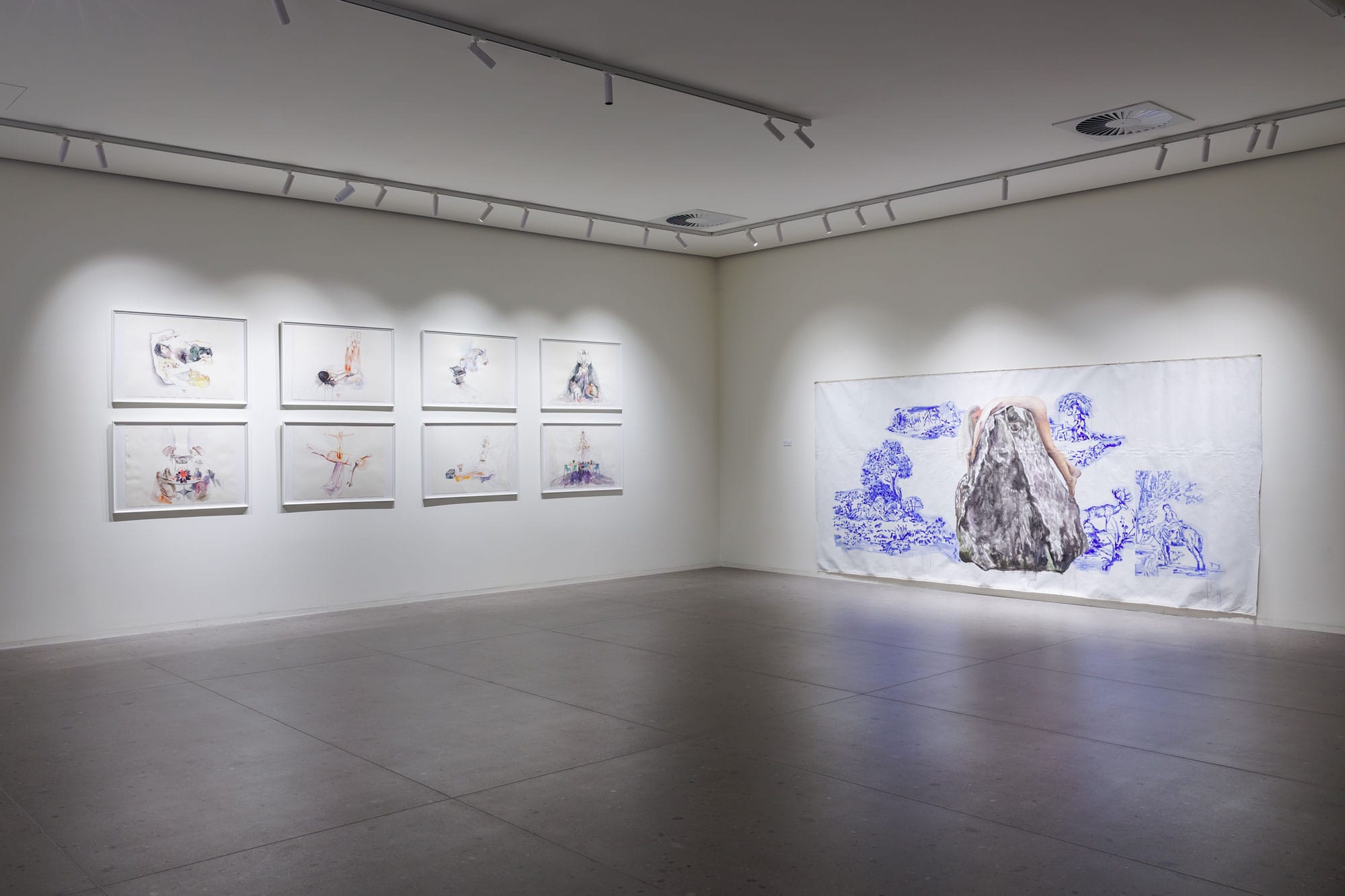
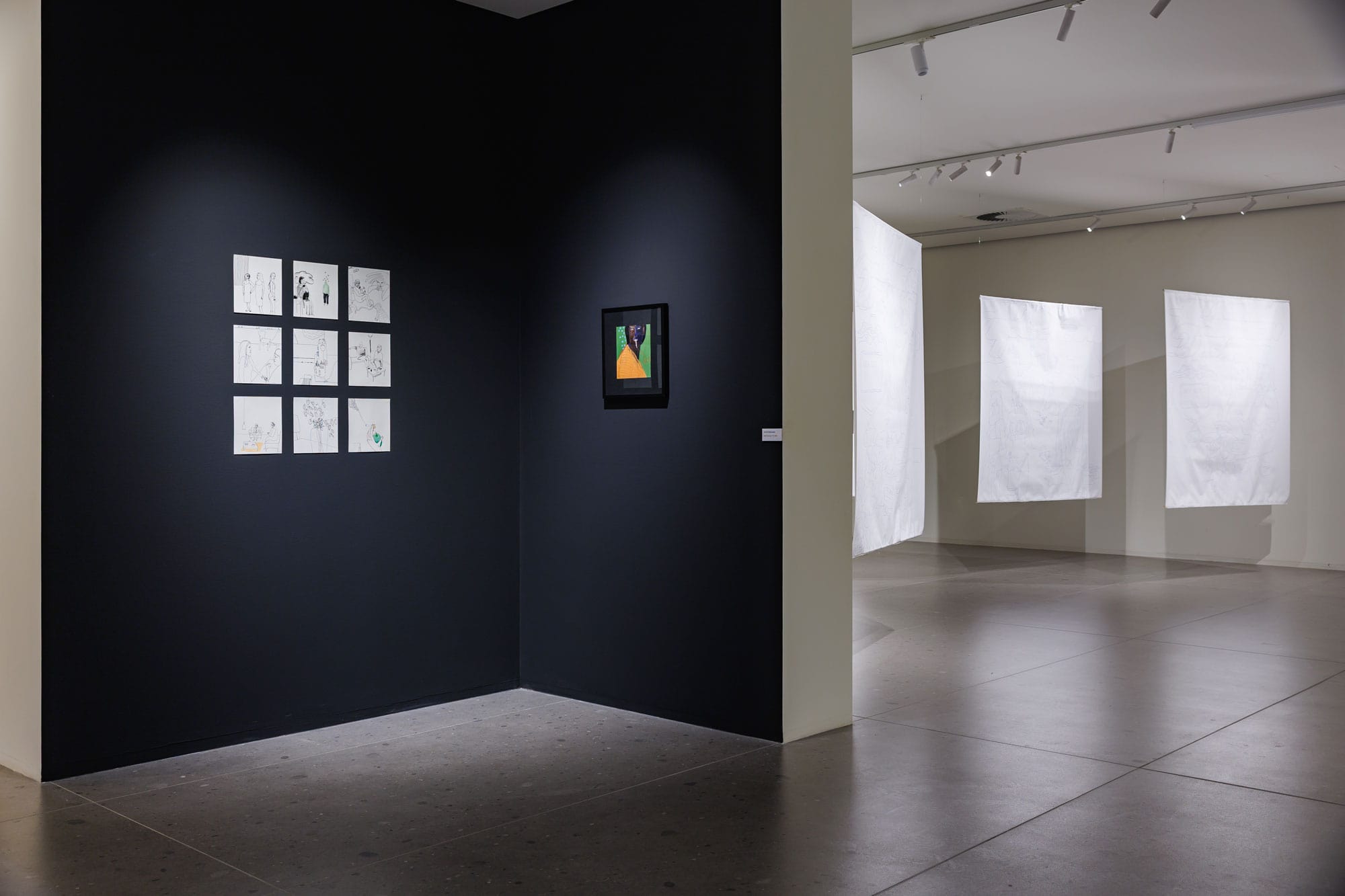
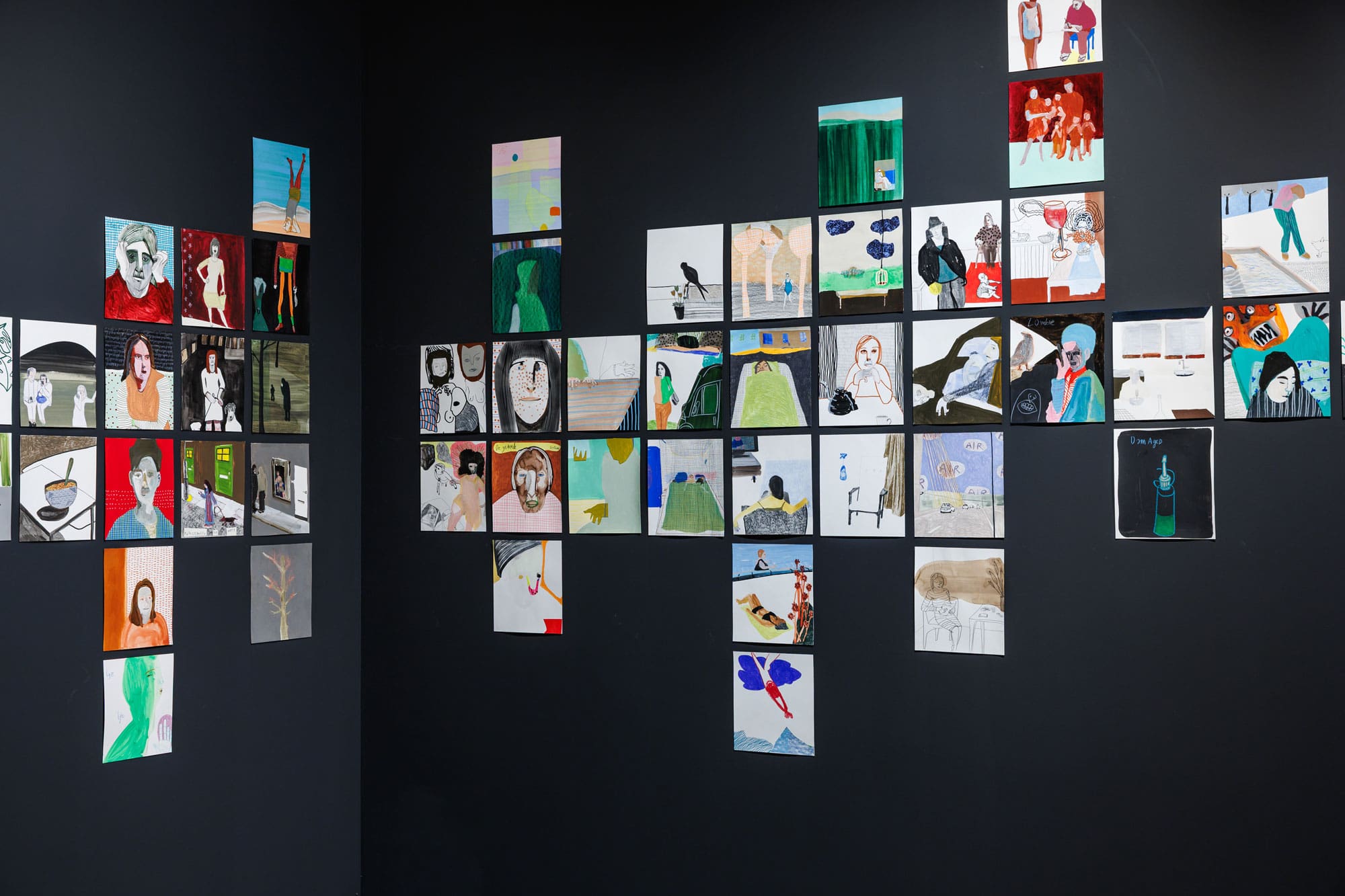
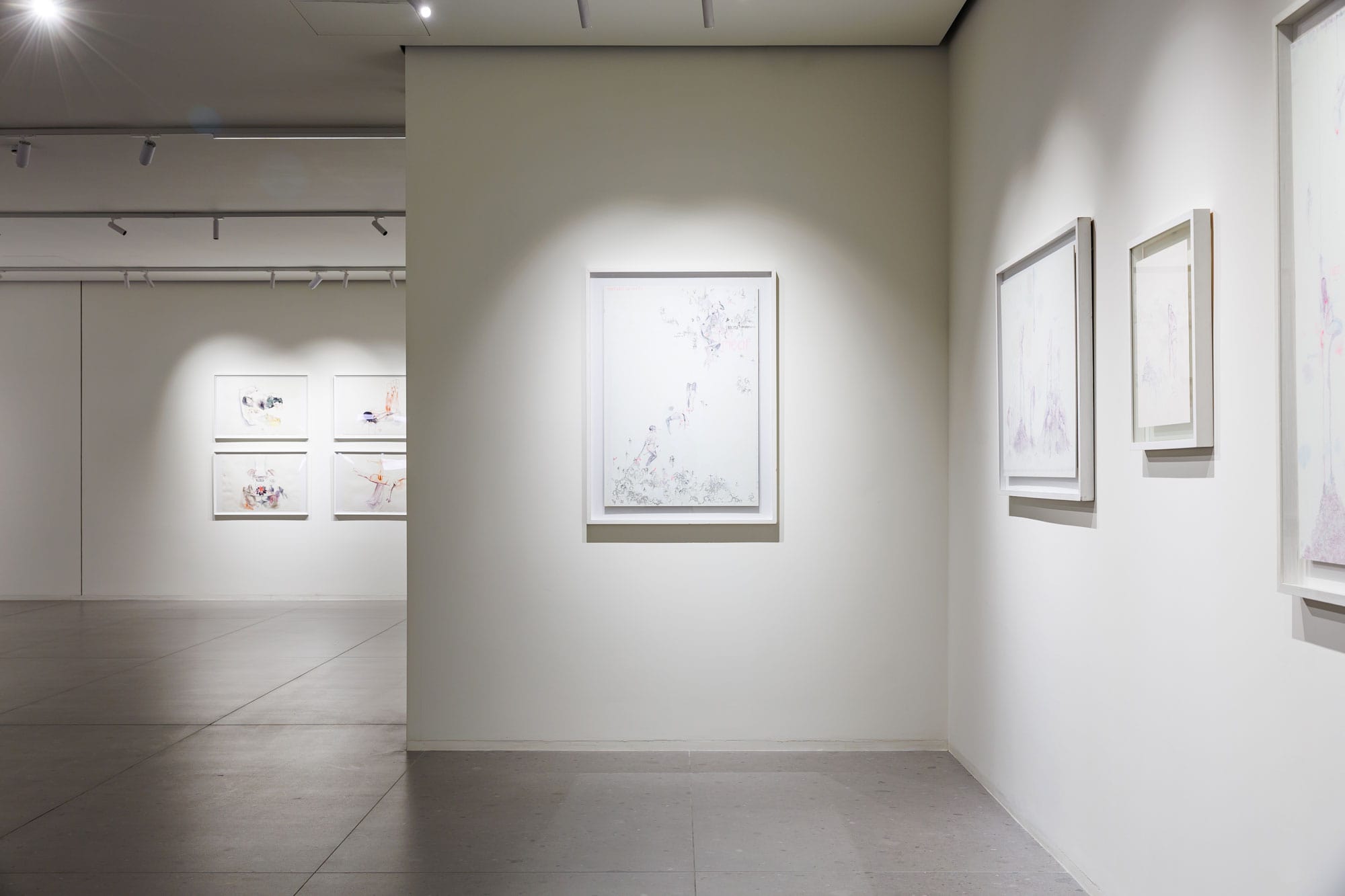
The exhibition "Mythology of the Ordinary” at the DOTS Gallery brings together the works of Marina Marković, Astrid Oudheusden, Monika Sigeti and Ana Simić, artists of different poetics, approaches and generations. Striving to elevate intimate experiences and personal narratives to the level of the universal, they see everyday life as a space of intersection of myth and history, and art as a powerful means of transforming the transitory into the permanent.
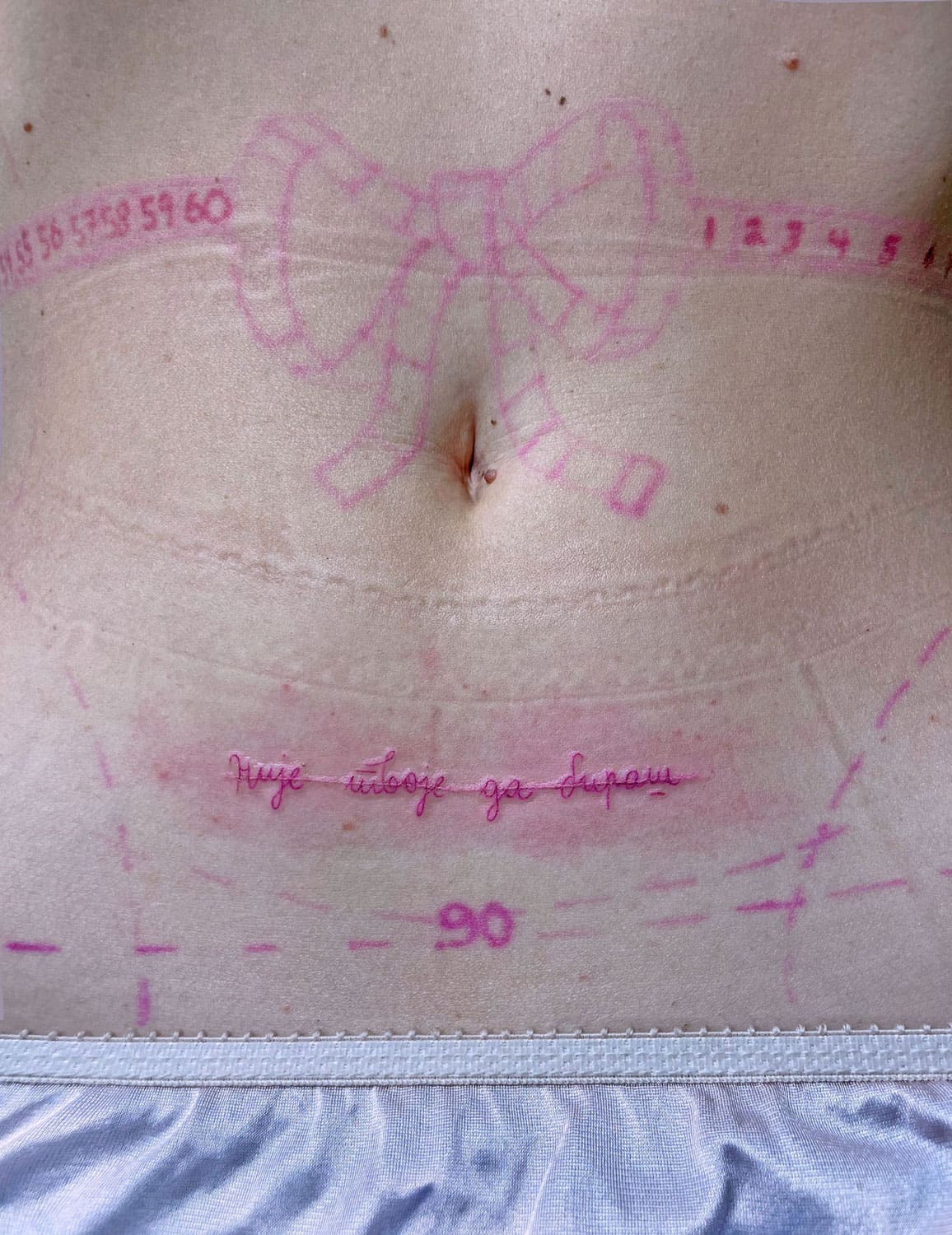
In her works, Marina Marković places the body in the center as a space in which the basic antagonisms of female existence are outlined. It is not only a biological fact, but also a cultural construct and a place of social norms. Through pastel tones and precise lines, the artist creates a contrast between the "nicely packaged" exterior and the harsh female experience, showing that aestheticizing pain does not mean denying it, but transforming it into meaning and identity. The body thus appears as a testimony of the limits of imposed roles, but also as a space for their possible subversion.
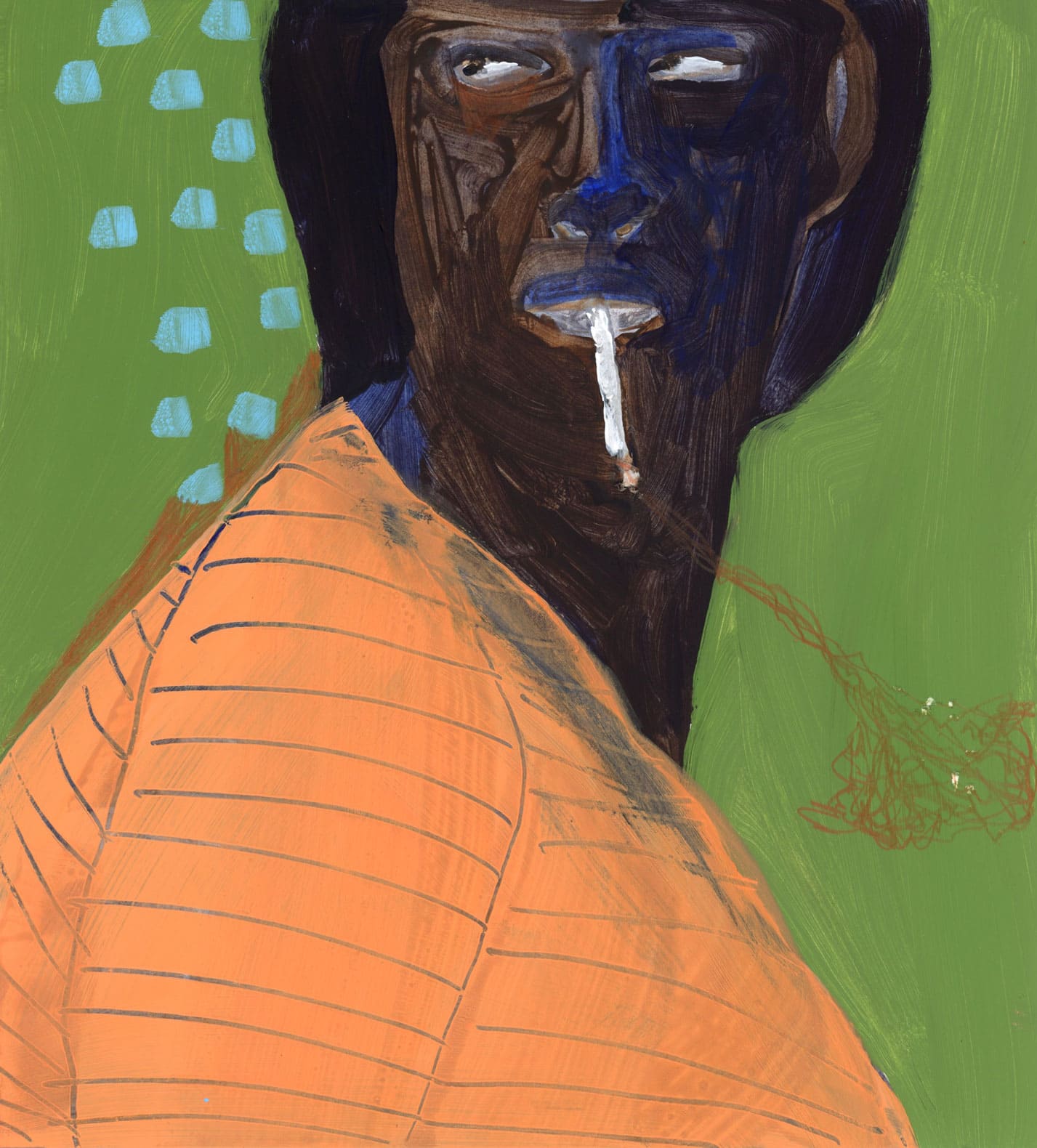
Dutch artist Astrid Oudheusden starts from ordinary, seemingly insignificant scenes in which she discovers hidden meanings. Without running away from the everyday, she finds a way to recognize the deeper patterns of our existence in quiet and unobtrusive images. Her works do not impose a narrative, but create a meditative atmosphere where it usually turns into a sign that transcends the private. Color, light shades and a carefully designed frame become the means by which everyday scenes acquire universal meaning. Oudheusden thereby shows that mythologies are shaped not only through extraordinary events and grand narratives, but through the repetitions and imperceptible patterns of everyday life, in which the private and the collective are constantly touching.
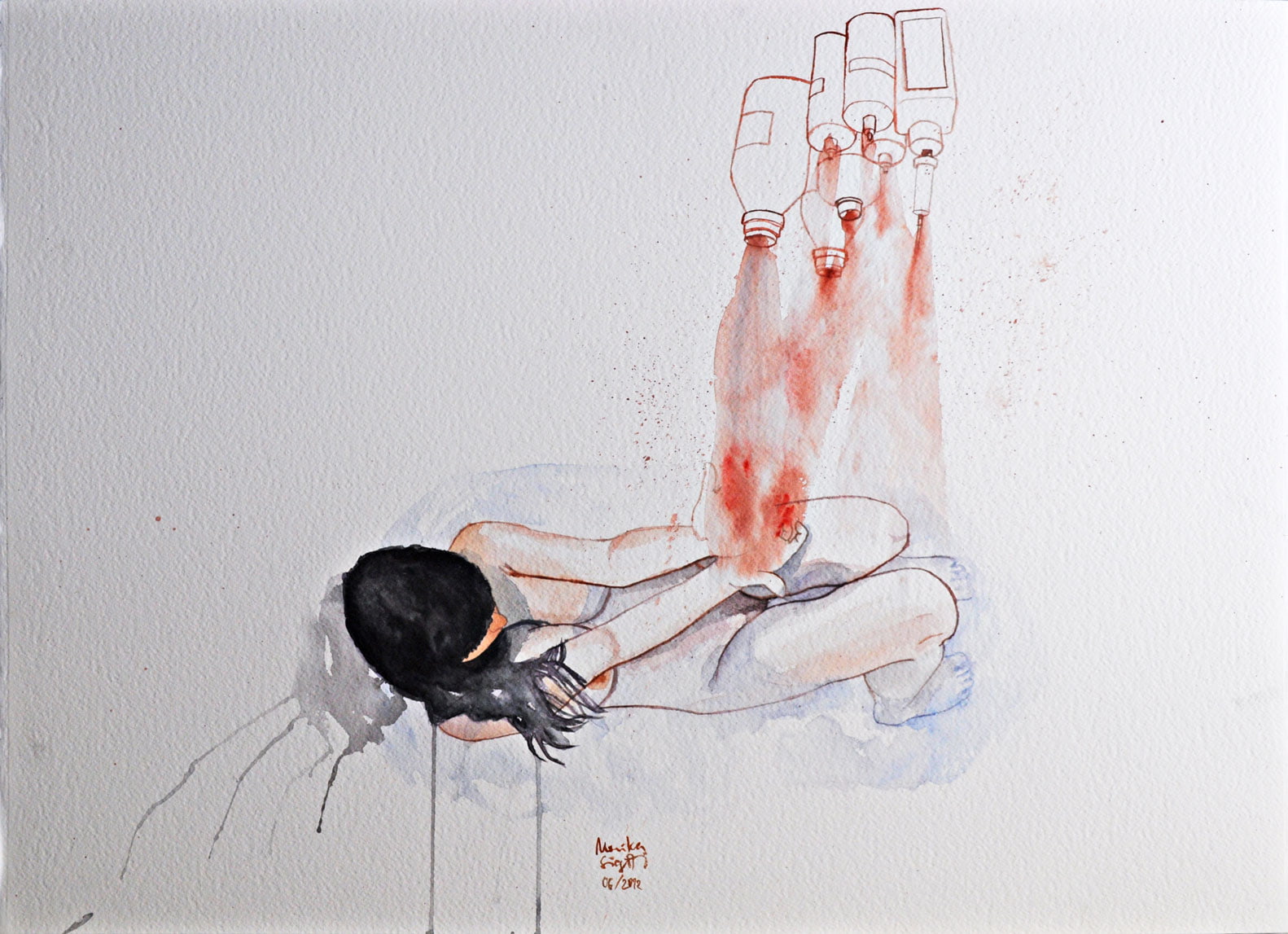
In the works of Monika Sigheti, the everyday is transformed into fantastic scenes in which the familiar escapes the certainty of recognition. Her hybrid figures and spaces seem to straddle the border between the real and the imagined, opening up a fluid zone where identity and body cease to be stable categories. The fantastic here does not represent an escape from reality, but a way to make it strange, to show how the familiar is always subject to questioning and reshaping. Creating mythological scenes with a touch of play and distance, Monika Szigeti's paintings do not offer solutions, but rather open a space for imagining and questioning.
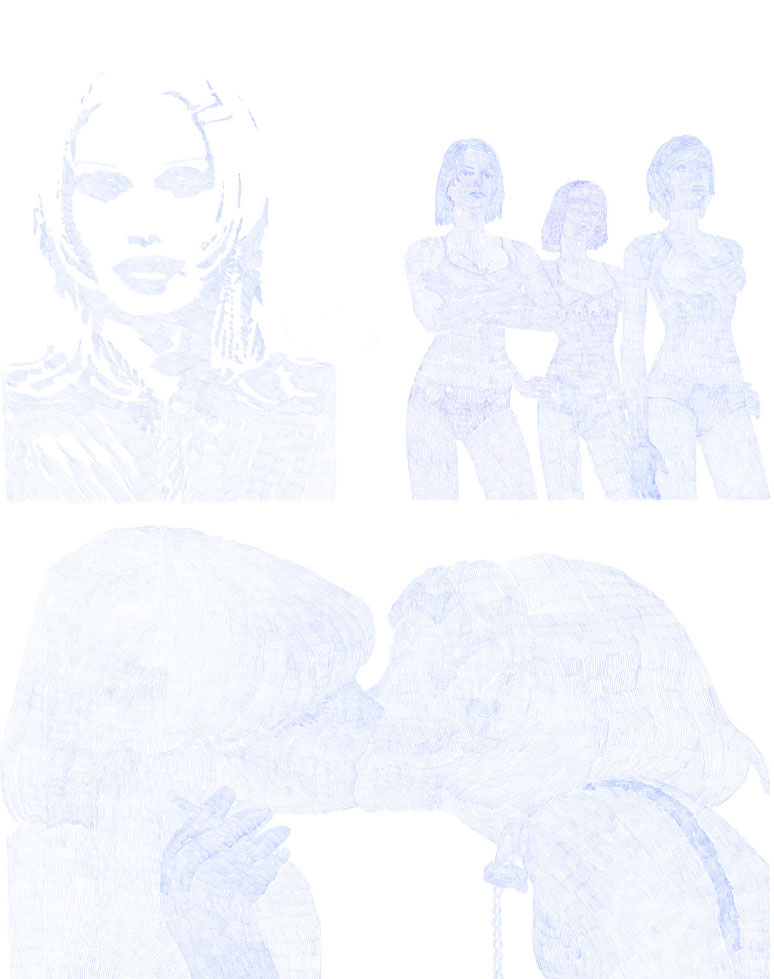
Ana Simić, the youngest among the artists, creates digital drawings that do not transmit the intimacy of anonymous actresses directly to the public, but transform it into a new iconography of the contemporary female experience. In her works, pop-art aesthetics and the reduced form of the sign create images that function as symbols that are recognizable even outside the private frame. This not only records an intimate moment, but also establishes a space in which the suppressed and invisible is written into the common memory, opening up the possibility that the personal memory becomes the basis of a new collective mythology.
As the author of the catalog text, Ana Simona Zelenović, observes, the curator's selection of the exhibition works like a collage: it depicts the diversity of women's experiences, and at the same time confirms the common horizon of the four artists, in which the personal does not remain closed in itself, but is translated into the common through art, constantly shaping new myths and collective memories.
The exhibition has been supported by the Dutch Embassy in Serbia.